A Project Manager plays a critical role in turning ideas into successful outcomes. Consequently, from planning and execution to monitoring progress and managing teams, a project manager ensures that every phase of a project runs smoothly. In today’s competitive and fast-paced business environment, effective project leadership is essential for meeting deadlines, controlling budgets, and achieving organizational goals.
Modern projects involve multiple stakeholders, tight timelines, limited resources, and evolving requirements. Consequently, without strong leadership, projects can easily face delays, cost overruns, and communication breakdowns. This is where a skilled Project Manager makes the difference—by applying structured strategies, maintaining clarity, and guiding teams toward shared objectives.
In 2025, successful project management is not just about task completion; it is about collaboration, adaptability, and strategic thinking. This guide explores proven Project Manager strategies that help professionals lead projects successfully, improve team performance, and deliver consistent results.

1. Define Clear Goals and Project Scope from the Start for Project Manager
One of the most important responsibilities of a Project Manager is to define clear goals and a well-structured project scope. When objectives are unclear, teams lose focus and projects face scope creep. As a result, clear documentation of deliverables, timelines, responsibilities, and expectations ensures everyone is aligned from day one.
A strong project scope helps the project manager control changes, manage resources effectively, and avoid unnecessary delays. Furthermore, by setting measurable goals and success criteria, teams understand what needs to be achieved and how progress will be evaluated. As a result, clear planning builds confidence and sets a strong foundation for project success.

2. Build Strong Communication and Collaboration Channels
Effective communication is at the heart of successful project leadership. Additionally, a Project Manager must ensure transparent communication between team members, stakeholders, and clients. Regular meetings, progress updates, and clear reporting structures help keep everyone informed and engaged.
Collaboration tools, shared dashboards, and centralized documentation improve visibility and accountability. When teams communicate openly, issues are identified early, solutions are implemented faster, and trust is strengthened. Strong communication reduces misunderstandings and keeps projects moving forward smoothly.
3. Plan Resources and Manage Time Effectively as a Project Manager
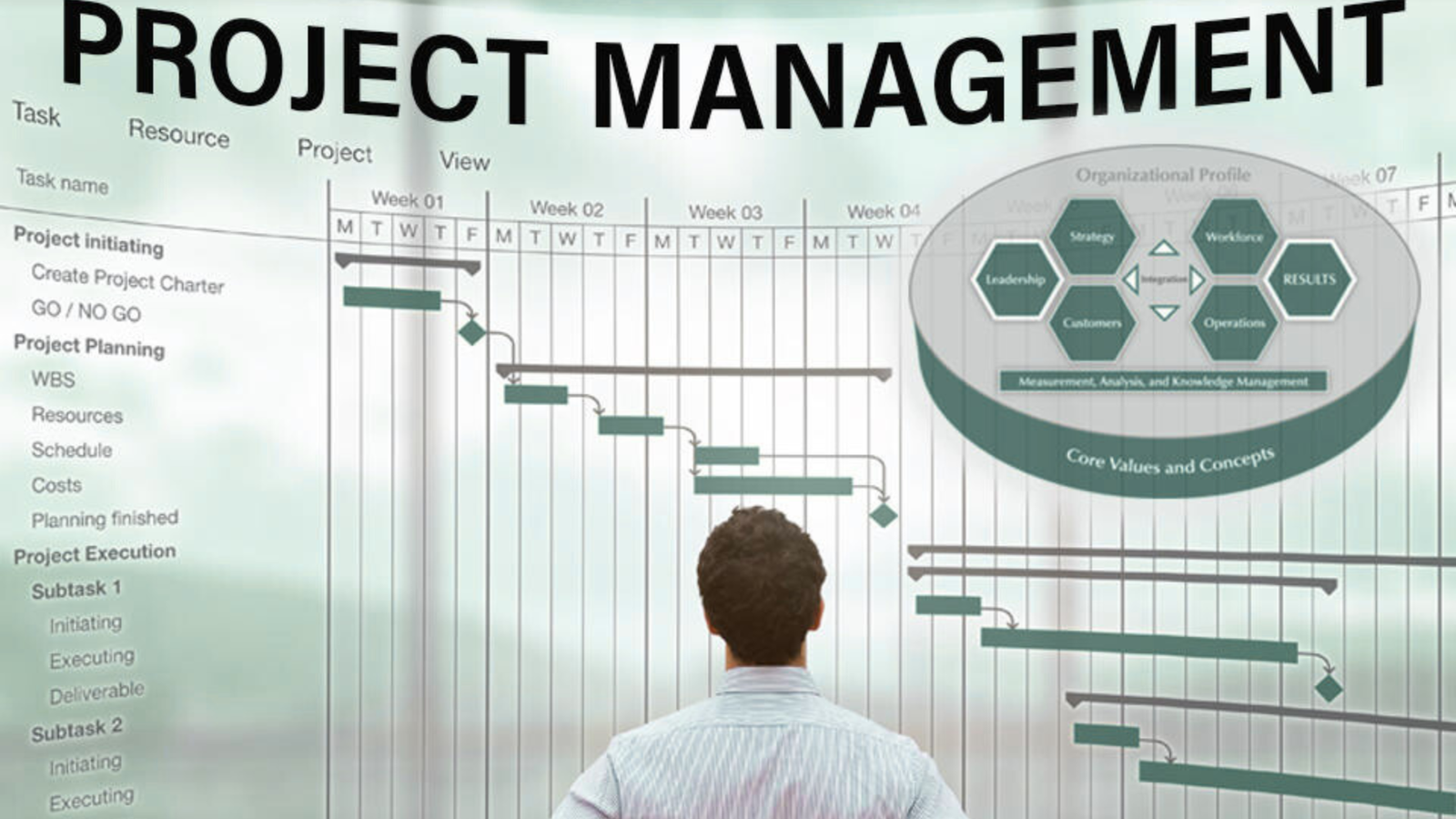
Resource and time management are essential skills for every Project Manager. Proper allocation of people, tools, and budgets ensures that tasks are completed efficiently without overburdening the team. A detailed project schedule helps track progress and identify potential delays.
Using project management software to monitor timelines, workloads, and dependencies allows managers to make informed adjustments. As a result, effective time and resource planning improves productivity, prevents burnout, and ensures that projects stay within scope and budget.

4. Identify Risks Early and Adapt Quickly as a Project Manager
Every project involves risks, whether technical, financial, or operational. A successful Project Manager proactively identifies potential risks and develops mitigation strategies before they impact the project. Risk assessments, contingency plans, and regular reviews help minimize disruptions.
Adaptability is equally important. When challenges arise, a project manager must adjust plans, reassign resources, or revise timelines without losing momentum. Proactive risk management ensures smoother execution and protects project outcomes.

5. Motivate Teams and Track Performance Continuously
A motivated team is a productive team. A Project Manager must inspire, support, and guide team members throughout the project lifecycle. Recognizing achievements, providing feedback, and encouraging collaboration improves morale and performance.
Tracking performance through key metrics, milestones, and reviews helps identify improvement areas. Continuous monitoring allows managers to refine processes, address gaps, and maintain high standards. Strong leadership combined with performance tracking leads to consistent project success.
Long Conclusion
Successful project leadership requires more than technical knowledge—it demands strategy, communication, planning, and adaptability. By applying proven Project Manager strategies such as clear goal setting, effective communication, smart resource management, risk mitigation, and team motivation, professionals can lead projects successfully and deliver measurable results.
In 2025, organizations rely on skilled Project Managers to drive efficiency, meet deadlines, and achieve business objectives. Strong project leadership ensures smoother execution, satisfied stakeholders, and long-term organizational growth. Furthermore, with the right approach, every Project Manager can transform challenges into successful outcomes.
About ConnectingNorth
ConnectingNorth is a trusted digital solutions and business consulting company committed to helping organizations streamline operations and achieve measurable success. Furthermore, with expertise in project management support, workflow optimization, and strategic consulting, ConnectingNorth empowers businesses to deliver projects efficiently and effectively.
In fact, our team works closely with organizations to implement proven methodologies, modern tools, and structured processes that improve project performance. Furthermore, by focusing on clarity, collaboration, and continuous improvement, ConnectingNorth helps businesses reduce risks, improve productivity, and achieve consistent results.
At ConnectingNorth, our mission is to transform complex projects into well-managed, high-performing initiatives that drive growth, efficiency, and long-term success.